5 Principles That Define Exceptional Audio Design
Jan 21, 2026
Jheel Parekh
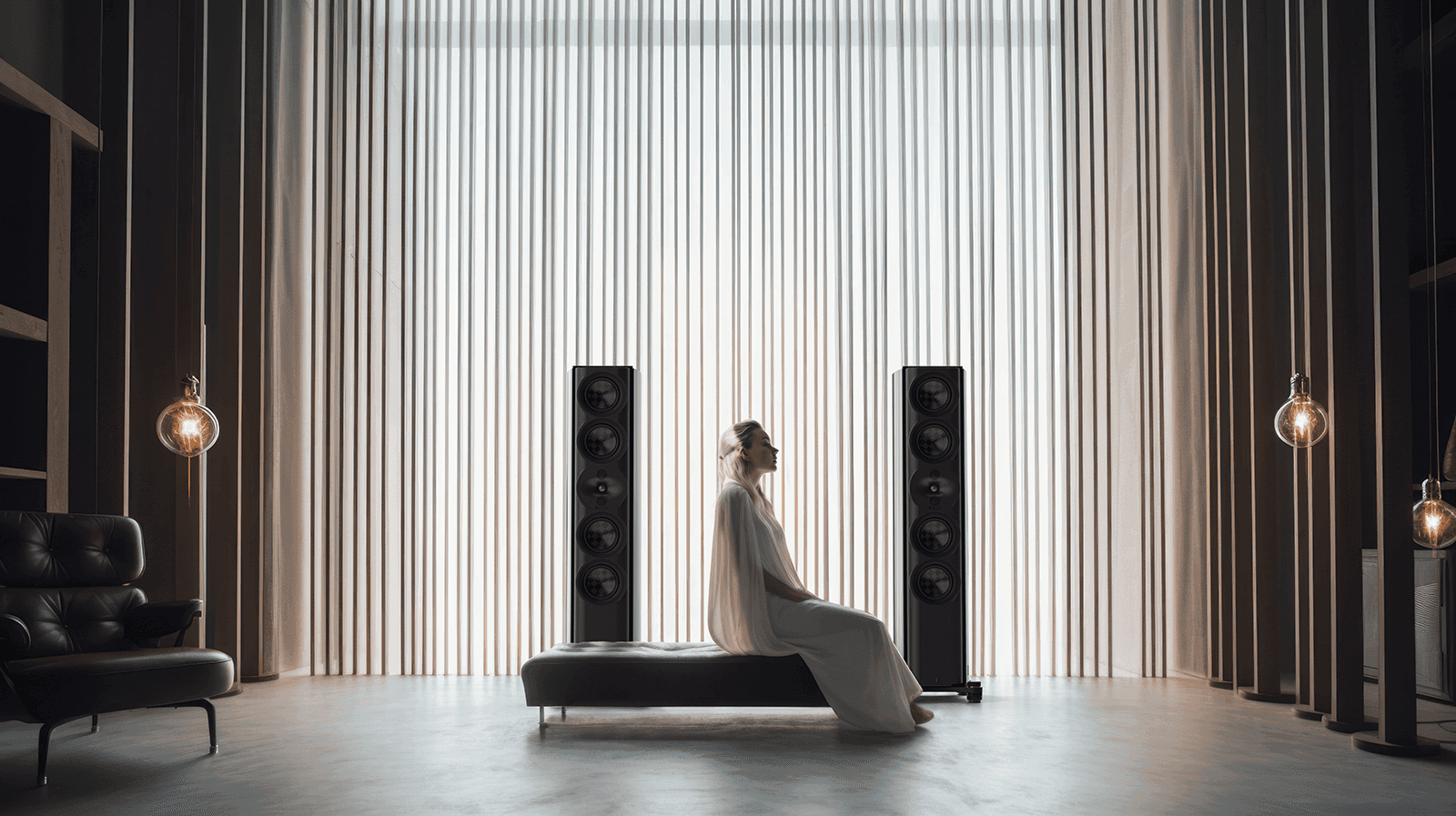
Great sound is never accidental. In luxury living spaces, audio must be designed with the same care as lighting, furniture, and architecture. A well-designed sound experience enhances a space without calling attention to itself.
Here are the key principles that define sound design in luxury environments
1. The Space Comes First
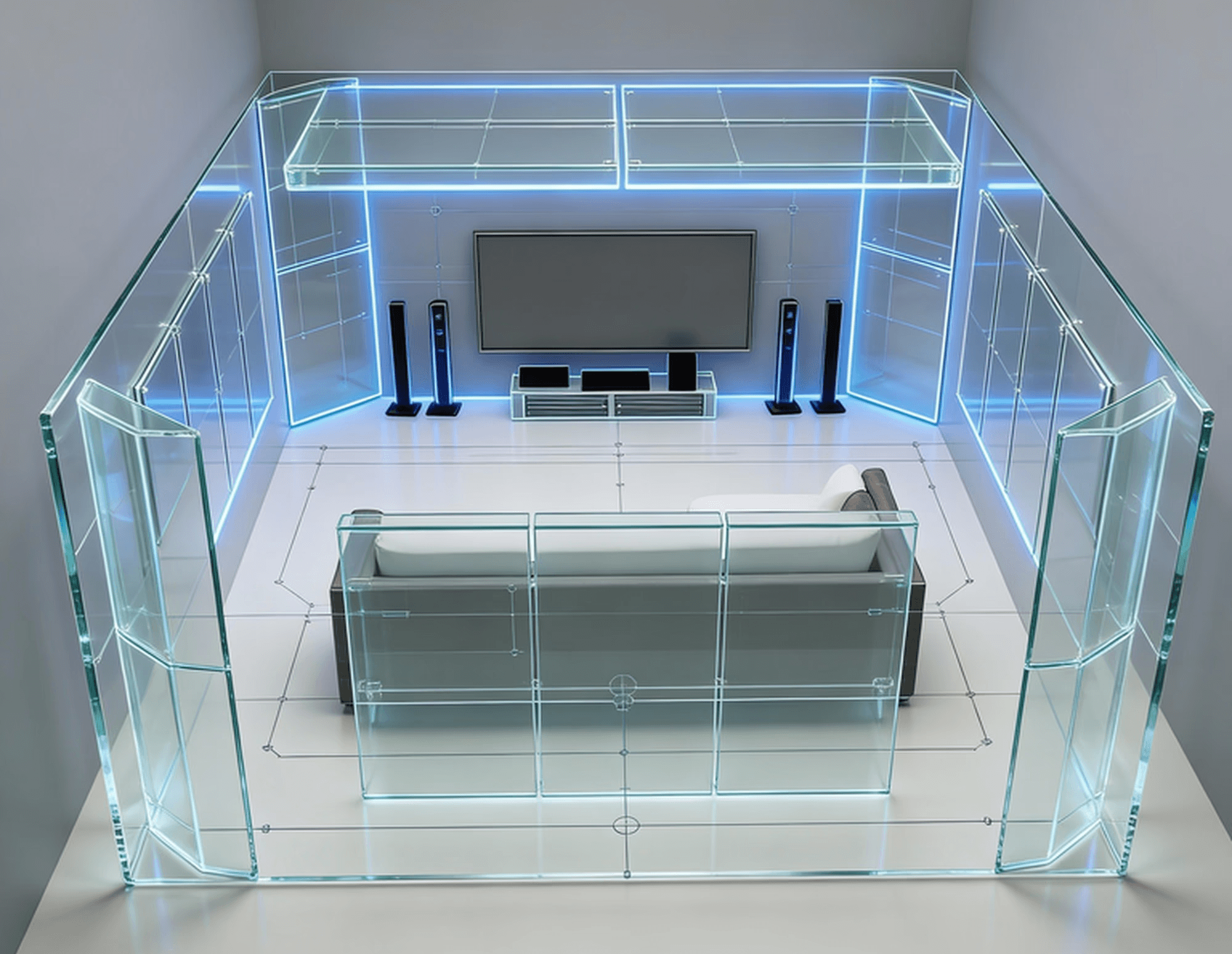
Every room behaves differently. Ceiling height, materials, layout, and furnishings all influence how sound travels. Designing audio begins with understanding the space, not choosing equipment.
2. Different Rooms, Different Intent
A living room, private lounge, bedroom, or home theatre each serves a unique purpose. Sound design must reflect how the space is used, whether it is for focused listening, casual ambience, or immersive viewing.
3. Acoustics Are Not Optional
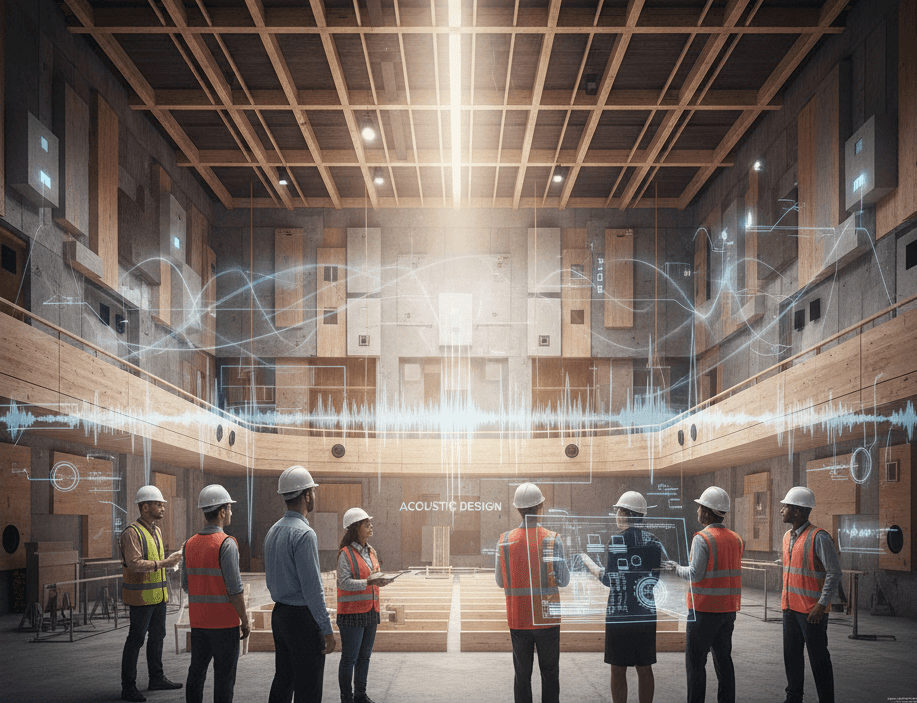
Luxury spaces often feature glass, stone, and open layouts. Without acoustic consideration, sound can feel harsh or unfocused. Thoughtful acoustic treatment ensures clarity without altering aesthetics.
4. Integration With Interiors
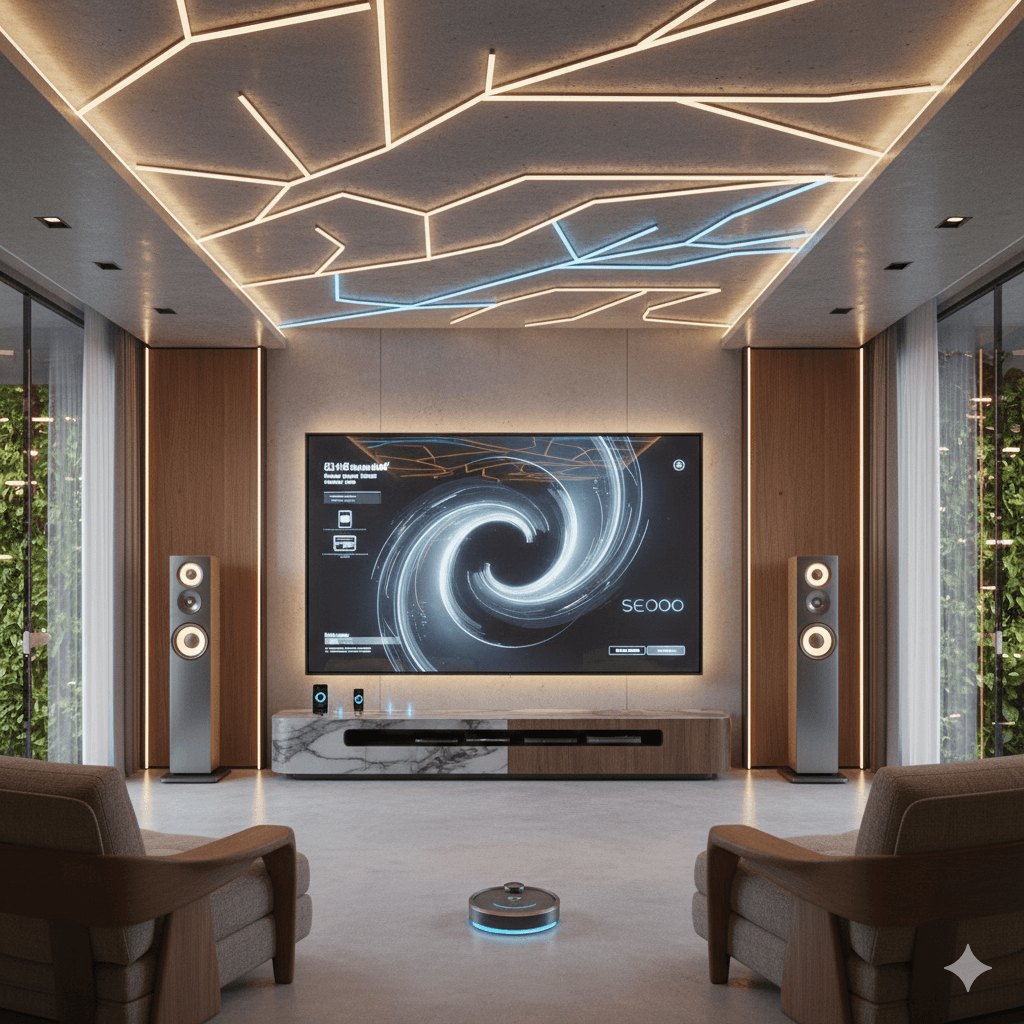
High-end audio should complement interior design. Speaker placement, concealed wiring, and system layout must work in harmony with architecture and décor.
5. Technology Should Stay Invisible
The best audio systems are felt, not seen. When technology blends seamlessly into a space, the experience becomes more immersive and less intrusive.
Designing sound for luxury living is not about filling rooms with speakers. It is about shaping an experience that feels natural, refined, and intentional.